Roots in Victoria BC · Cost Dynamics
The Truth About Living in Victoria
Everyone talks about the mild winters and ocean views. Here's the other side: what housing actually costs, where the surprises hide, and whether the math works for your family.
Quick Summary: Victoria BC Living Costs at a Glance (June 2026)
Victoria ranks among Canada's most premium housing and rental markets, trailing only Vancouver and Toronto in overall cost density. Here are the core benchmark indices:
- Benchmark Houses: Single-family detach homes in the Core hover near $1.34M. West Shore options range from $850k to $950k.
- Monthly Rent: 1-bedroom apartments average $1,900–$2,200; 2-bedrooms average $2,300–$2,800.
- Utilities & Parking: Plan $200–$400 monthly for heating, electricity, internet, and building parking.
- The Island Factor: Groceries are 3% to 5% higher than mainland BC due to maritime ferry freight surcharges.
1. Housing and Rental Benchmarks
Housing represents the single largest expenditure for individuals and families in Greater Victoria. Depending on your choice of municipality, pricing models can vary dramatically:
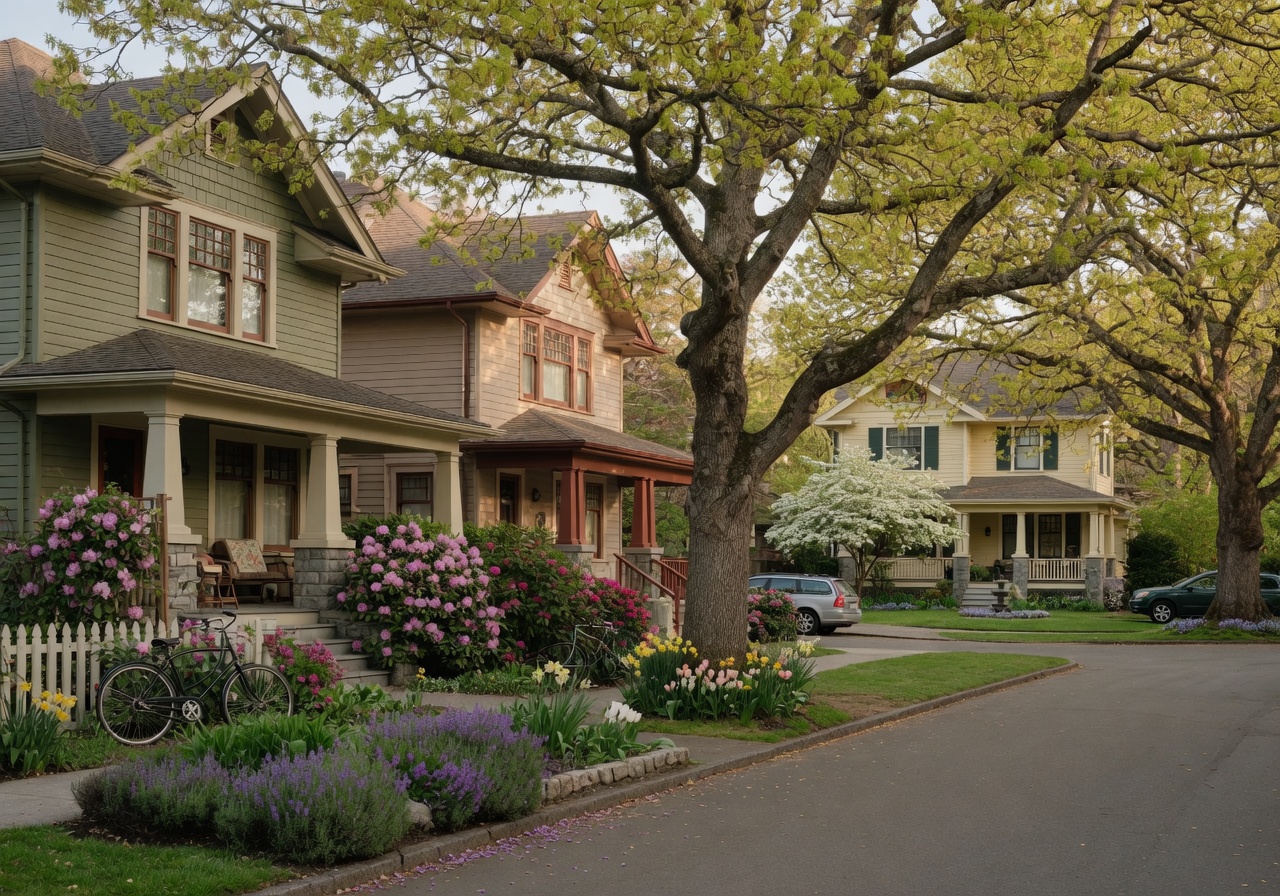
Victoria Core (Oak Bay, Fairfield, City)
Premium historical character home sectors
- • Single-Family Benchmark: $1,340,000
- • Condominium Benchmark: $550,000
- • Average 1-Bed Rent: $2,100 / month
- • Average 2-Bed Rent: $2,650 / month
Westshore (Langford, Colwood, View Royal)
Modern suburban & master-planned expansions
- • Single-Family Benchmark: $890,000
- • Condominium Benchmark: $480,000
- • Average 1-Bed Rent: $1,900 / month
- • Average 2-Bed Rent: $2,350 / month
💡 Suite Advantages: Detached carriage homes or secondary mortgage helper suites are actively encouraged in Saanich, Victoria, and Langford, helping owners offset up to $1,500–$2,000 of monthly mortgage financing expenses.
2. Daily and Monthly Expenses Breakdown
To provide a realistic budget worksheet, we have gathered typical expenditure numbers on southern Vancouver Island for early 2026:
3. Is Victoria Worth It? Comparative Value
Comparing Victoria to major Canadian cities displays unique economic advantages:
vs. Vancouver & Toronto: Although real estate ranks among the top most expensive nationwide, single-family homes in Victoria Core cost roughly 25% to 35% less than comparable residential plots in Vancouver West or Toronto Rosedale. The reduction in daily automobile gridlock or commute timing also recovers dozens of productive human hours each month.
vs. Calgary & Edmonton: While Alberta boasts lower income taxation rates and affordable properties, Victoria matches with energy savings. Due to exceptionally mild Pacific winters, owners avoid the heavy carbon and gas heating bills required for sub-zero municipal climates.
Want the full picture of how Victoria stacks up against the rest of the country? Read our deep dive on what makes Victoria BC different from other Canadian cities in 2026. Also explore our neighbourhood guides to compare pricing across Oak Bay, Langford, Saanich, and James Bay, or read our honest pros and cons of living in Victoria.

Analyzing the Bottom Line
"We encourage buyers relocating to Vancouver Island to systematically trace closing costs, strata fees, heating footprints, and secondary suite taxation before making decisions. Our business modeling maps municipal secondary carriage house zoning, oil tank scanning liabilities, and property boundary tracking to defend your financial baseline." - Happy Homes Team - eXp Realty - Victoria, BC Real Estate Team
Cost of Living FAQ
Common Questions About Victoria Living Costs
Verified by Happy Homes Team - eXp Realty - Victoria, BC Real Estate Team
What is the average cost of a house in Victoria BC?
As of 2026, the benchmark single-family home in Victoria Core costs approximately $1,340,000. West Shore areas like Langford and Colwood offer homes starting around $890,000. Condos in the Core average $550,000, while West Shore condos average $480,000. These prices are 25% to 35% less than comparable properties in Vancouver.
How much does rent cost in Victoria BC?
Average rent for a one-bedroom apartment in Victoria is $1,900 to $2,200 per month. A two-bedroom apartment averages $2,300 to $2,800 per month. West Shore areas like Langford tend to be $200 to $400 less per month than the Core. Rent in Victoria is among the highest in Canada, trailing only Vancouver and Toronto.
Are groceries more expensive on Vancouver Island?
Yes. Groceries in Victoria cost approximately 3% to 5% more than on the mainland due to ferry freight surcharges. However, Victoria has excellent farmers markets from May through October where local produce can be more affordable. Monthly utility costs for a two-bedroom suite average $150 to $220 for hydro and heating.
Can a secondary suite help pay my mortgage in Victoria?
Yes. Victoria, Saanich, and Langford all encourage secondary suites, carriage homes, and accessory dwelling units (ADUs) as part of their housing strategy. A well-placed mortgage helper suite can offset $1,500 to $2,000 of monthly mortgage expenses. Perry Fanthorpe of the Happy Homes Team specializes in identifying properties with mortgage helper potential and navigating municipal zoning requirements.


Budget Analysis
Verified Happy Homes Team advisors
Request local comparative cost models
Unsure about property taxes, utility trends, or mortgage rates in a specific Victoria neighborhood? The Happy Homes Team - eXp Realty - Victoria, BC Real Estate Team will compile and deliver your personal, premium comparative living index worksheets 100% free of charge.
Roots in Victoria
The real estate transaction is just the beginning. Explore our guides to building financial and emotional roots on Southern Vancouver Island.